
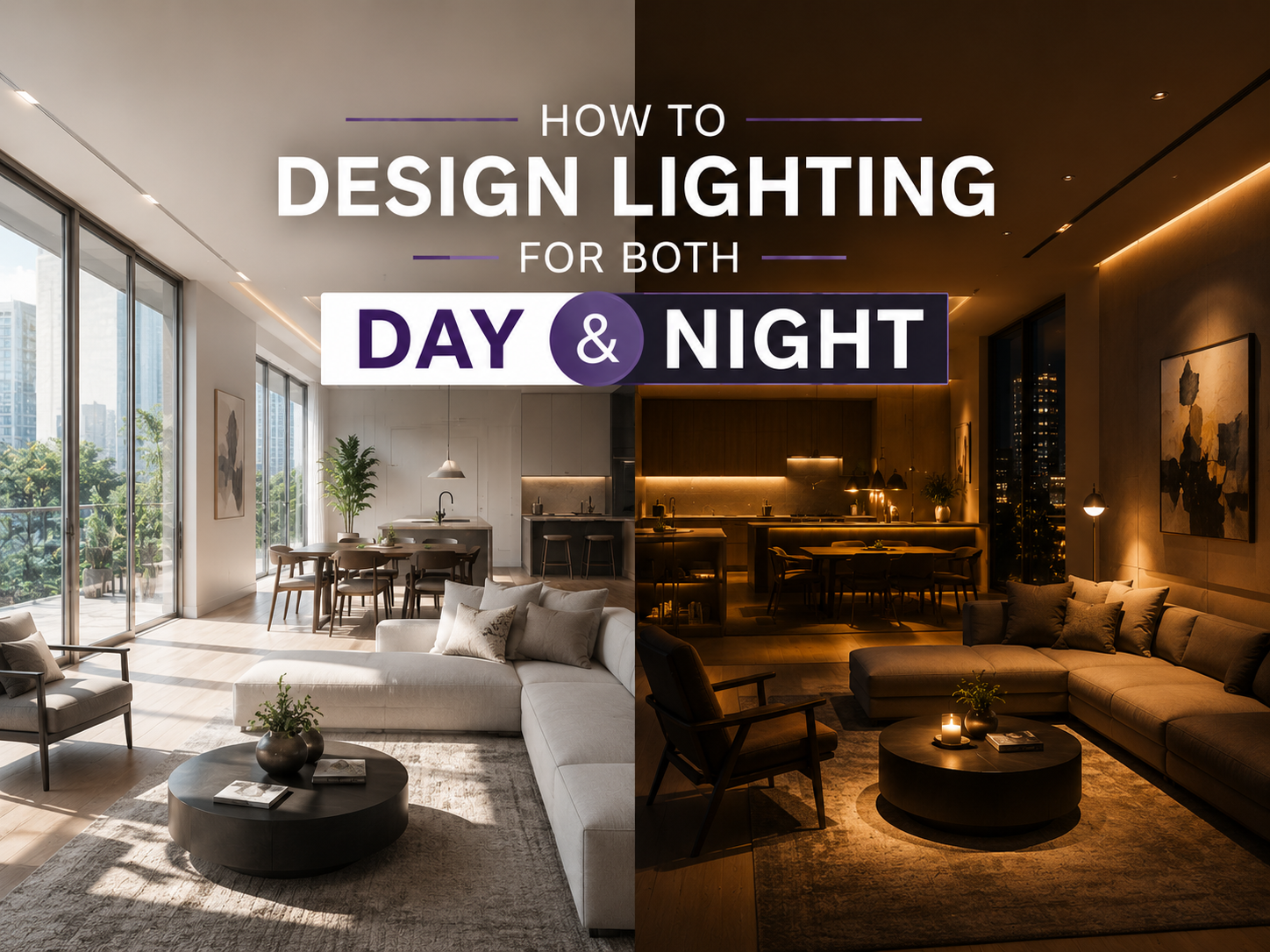
How to Design Lighting for Both Day and Night
How to design a lighting scheme that performs beautifully in both daylight and after dark — from daylighting integration to scene-based control strategies.
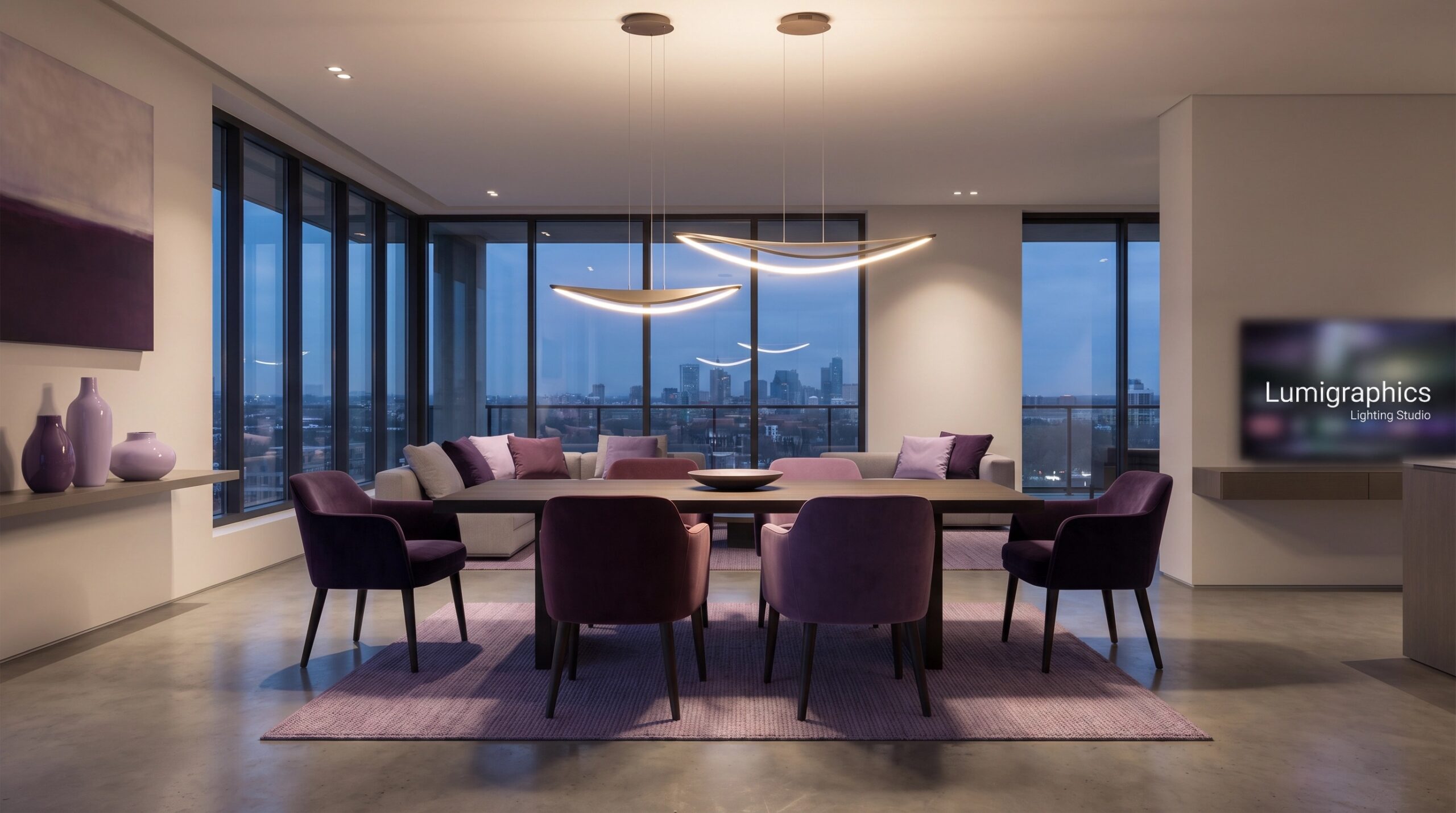
How to design a lighting scheme that performs beautifully in both daylight and after dark — from daylighting integration to scene-based control strategies.
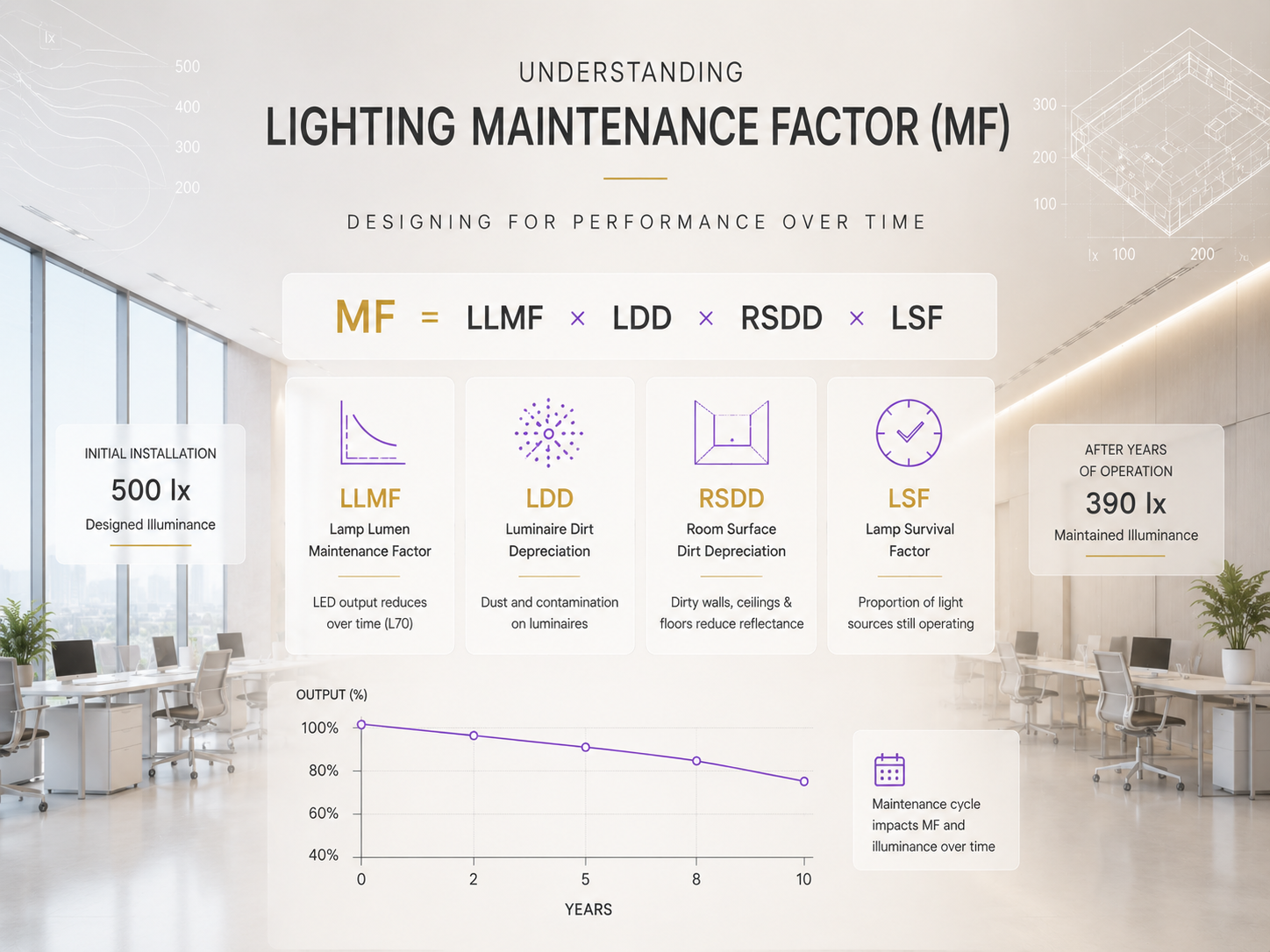
Maintenance Factor is one of the most critical — and most misused — parameters in lighting calculations. Here’s how to apply it correctly across different project types.
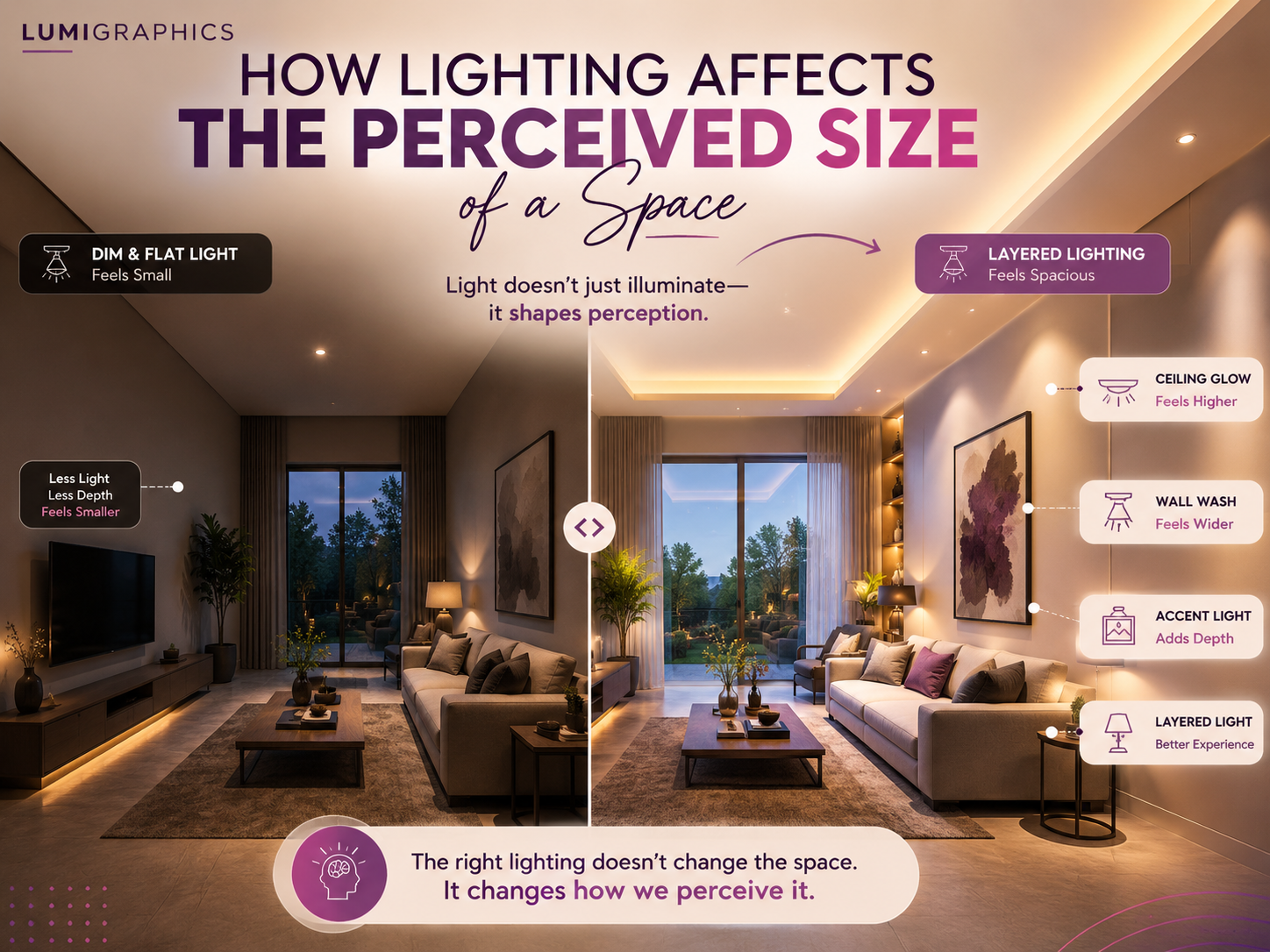
Lighting dramatically influences whether a space feels large or small, open or intimate. Here’s how to use brightness, wall washing, ceiling light, and accent layers to shape spatial perception.
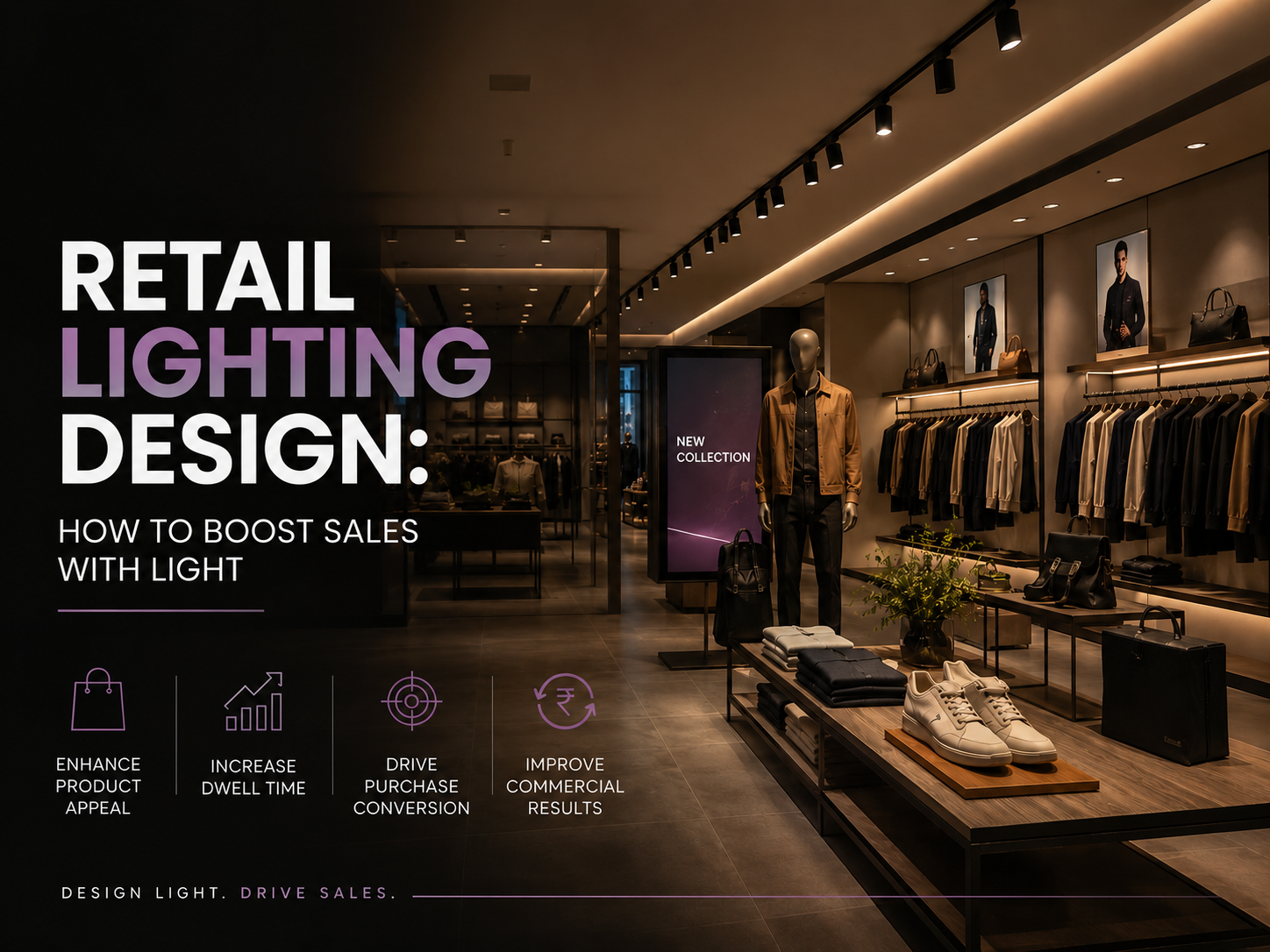
Retail lighting directly impacts dwell time, product appeal, and sales conversion. Here’s how to design lighting that works as a commercial tool, zone by zone.
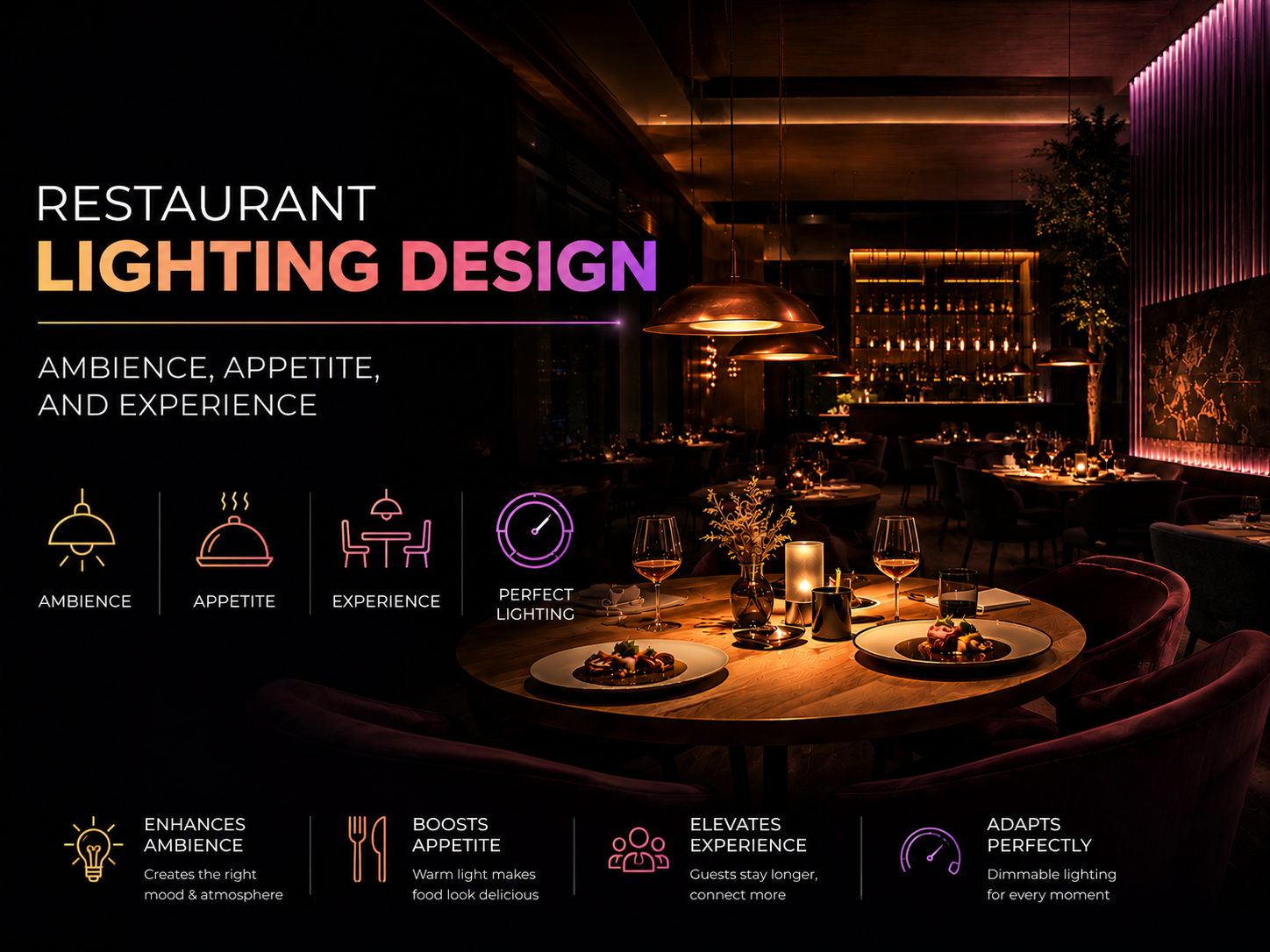
Restaurant lighting shapes appetite, dwell time, and the dining experience. Here’s how to get colour rendering, CCT, illuminance zoning, and dimming right for any restaurant format.
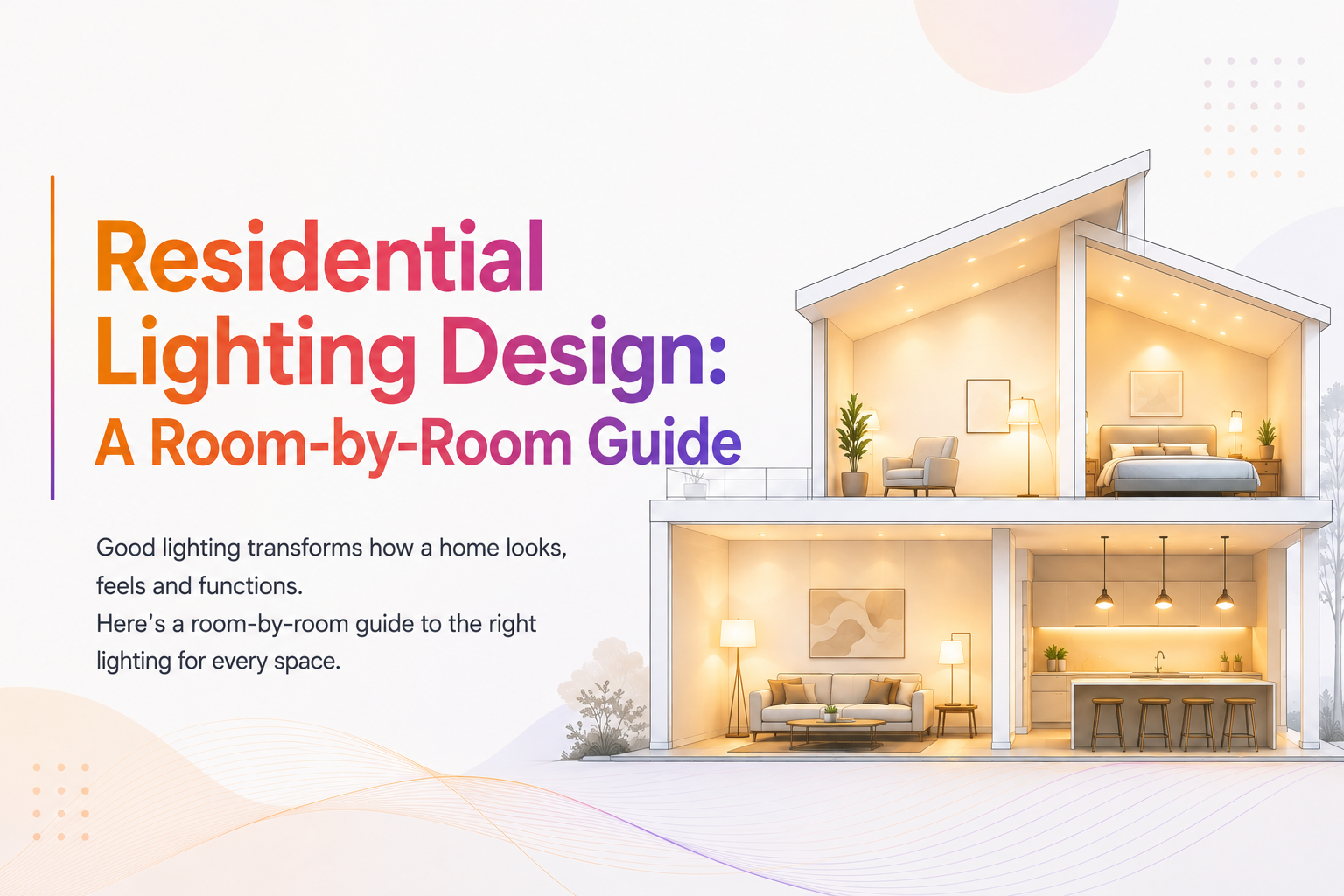
A complete room-by-room residential lighting design guide — illuminance targets, CCT recommendations, and practical tips for living rooms, kitchens, bedrooms, bathrooms, and more.
Office lighting directly impacts productivity, wellbeing, and error rates. Here’s how to go beyond lux compliance to design lighting that genuinely supports how people work.
Museum and gallery lighting must balance conservation requirements with curatorial presentation. Here’s how to design for both — from illuminance limits to flexible track infrastructure.