

In today’s fast-evolving architectural lighting market, simply showcasing a luminaire through static images or PDFs is no longer enough. Lighting manufacturers, distributors, and architectural lighting brands now rely heavily on lighting animation, 3D rendering, and CGI (computer-generated imagery) to demonstrate product performance, light behavior, and real-world application.
From beam angles and CRI differences to dynamic scenes, tunable white, multi-channel controls, and Casambi/DALI animations, buyers expect to see how a product behaves — not imagine it. This is where lighting animation becomes essential.
What Is Lighting Animation?
Lighting animation is a 3D visual representation of how a lighting fixture performs in real environments. It simulates:
- Light distribution
- Beam spread
- Dimming curves
- RGBW or Tunable White effects
- Wall washing / grazing
- Spotlight behavior
- Architectural interaction
- Material reflection and shadows
Using tools such as Blender, 3ds Max, Unreal Engine, and professional rendering engines, manufacturers get realistic visualization that looks like a real-life installation.
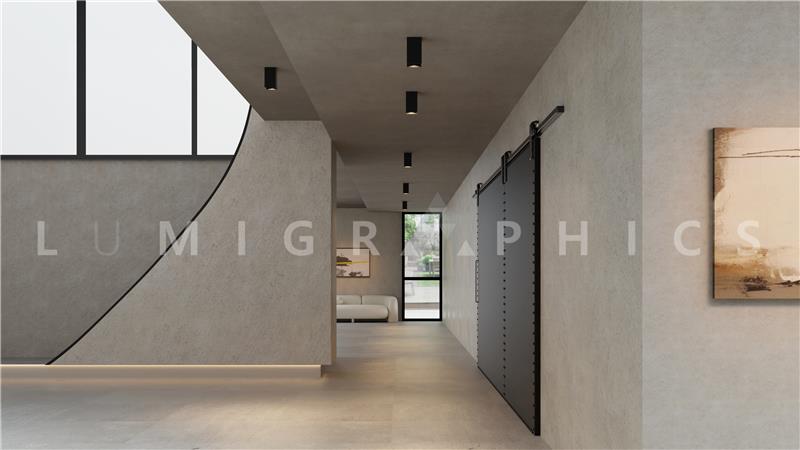
Detailed 3D View of the Surface-Mounted Track Spot
Enhancing Product Launches With High-Impact Visuals
A new product launch today requires more than brochures.
Lighting animations provide:
Dynamic product showcases
360° product movement
Realistic lighting effects
Highlighted features and unique selling point.
These animations create higher engagement across websites, email campaigns, sales decks, and social media—resulting in stronger market visibility.
Lighting Installation Made Easy With 3D Animation
One of the biggest pain points for specifiers and installers is understanding how a lighting product is installed correctly. Lighting Installation 3D Animation solves this by showing:
Step-by-step installation sequences
Mounting techniques (surface, recessed, suspended, track, etc.)
Driver and wiring placements
Adjustability and aiming
Accessory integration
Safety clearances and spacing
This creates a clear, intuitive guide for contractors, project teams, and global distributors—dramatically reducing installation errors and support requests.
Gives the Brand A Competitive Edge
Most manufacturers still rely on brochures and static images.
Lighting animation instantly elevates your brand by delivering:
Modern, premium product communication
A strong innovation-first brand identity
More memorable product storytelling
Conculsion
Lighting animation has become a vital asset for modern lighting manufacturers who want to communicate performance clearly, increase engagement, and strengthen their digital presence. It delivers powerful visual storytelling, enhances brand trust, supports global sales teams.
For manufacturers aiming to stand out in the architectural lighting world, lighting animation is not just an advantage—it’s an essential part of future-focused product communication.
FAQs
Lighting animation is a 3D visual technique that showcases how a lighting product performs, installs, and interacts within a space. For manufacturers, it simplifies communication by presenting complex features in a clear, dynamic format. It helps specifiers, architects, and clients understand light distribution, movement, and behavior without needing physical samples. This reduces misunderstandings, speeds up decision-making, and enhances brand professionalism. In today’s digital market, animation strengthens product credibility and boosts customer engagement.
3D animation shows light behavior exactly as it appears in real installations, making technical specifications easier to grasp. It clarifies wattage, beam spreads, installation methods, and performance in different environments. This transparency reduces errors in product selection and ensures specifiers make confident decisions. Manufacturers can also showcase comparisons, upgrades, and variations visually. Ultimately, 3D animation builds trust and speeds up project approvals.
Lighting animation captures attention far more effectively than static images or brochures. It allows customers to see real-time effects, beam angles, color temperatures, and application scenarios visually. This interactive experience increases viewing time, improving website engagement and conversion rates. Buyers also retain information better when delivered through motion visuals. As a result, manufacturers benefit from stronger brand recall and higher-quality leads.
Sales teams can use lighting animation to deliver stronger presentations, demonstrate product benefits, and close deals faster. Marketing teams gain high-quality content for websites, social media, and product launches. Animated content performs better across digital platforms, attracting more organic traffic and boosting search rankings. It provides a modern, premium impression that resonates with architects, interior designers, and lighting consultants. Overall, animation becomes a key asset across the entire sales funnel.
3D installation animation visually guides installers through each step, ensuring clarity and accuracy. It eliminates confusion that often arises from written manuals or technical drawings. Installers can see the exact angles, mounting systems, and wiring connections required. This reduces installation time, prevents errors, and ensures consistent results across projects. For manufacturers, this leads to happier clients and fewer technical support interventions.