
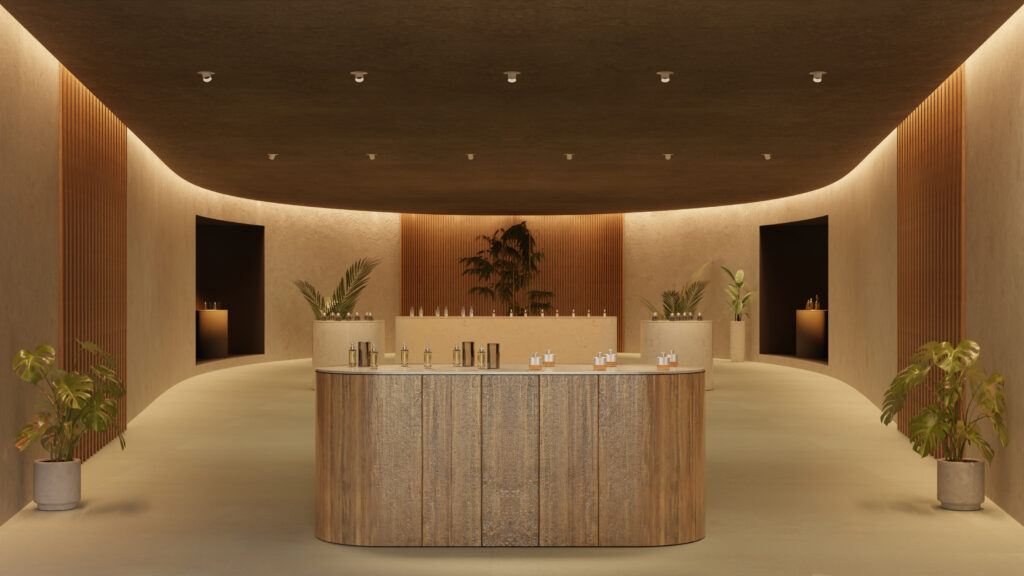
The Role of Lighting in Architecture: Why It Matters
Lighting is one of the most powerful elements in architecture. It does more than simply illuminate a space—it shapes how we see, feel, and experience the space. From highlighting architectural details to improving comfort and safety, lighting plays a crucial role in how architecture functions and communicates its design intent.
In modern architectural design, lighting is carefully planned to enhance aesthetics, functionality, and sustainability. Whether it is natural daylight or artificial lighting, both work together to create balanced and visually appealing environments.
Introduction to Architectural Lighting
Architectural lighting refers to the strategic use of light within and around buildings to enhance design, functionality, and user experience. It includes both natural lighting (daylight) and artificial lighting systems designed to complement architectural elements.
Good lighting design considers several factors such as:
Space usage
Visual comfort
Energy efficiency
Mood and atmosphere
Architectural highlighting
When implemented correctly, lighting transforms a building from a simple structure into a dynamic and engaging space.
Architectural Lighting Across Industries
Why Lighting Is Important in Architecture
1. Enhances Architectural Design
Lighting helps emphasize the shape, texture, and materials used in a building. Well-placed lighting can highlight walls, ceilings, columns, and decorative elements that might otherwise go unnoticed.
For example:
Accent lighting highlights sculptures or textures.
Grazing light emphasizes surface patterns like stone or brick.
Uplighting can make ceilings appear higher and more dramatic.
2. Creates Atmosphere and Mood
Lighting strongly affects how people feel in a space. Bright lighting can create energetic environments, while soft lighting creates calm and relaxing atmospheres.
Examples:
Restaurants use warm lighting for a cozy mood.
Offices use balanced lighting to improve productivity.
Museums use controlled lighting to focus attention on exhibits.
3. Improves Functionality
Every space has a specific function, and lighting must support it.
For instance:
Offices require clear task lighting.
Retail stores need focused lighting to highlight products.
Hospitals need bright, precise lighting for medical tasks.
4. Enhances Safety and Navigation
Lighting plays a major role in safety and visibility. Proper lighting helps people move comfortably through spaces and reduces the risk of accidents.
Important areas where lighting improves safety include:
Staircases
Corridors
Parking areas
Building entrances
Outdoor pathways
5. Supports Energy Efficiency and Sustainability
Modern architectural lighting focuses heavily on sustainability. Efficient lighting systems reduce energy consumption while maintaining high performance.
Common strategies include:
LED lighting technology
Daylight integration
Motion sensors and smart controls
Automated lighting systems
Lighting Design for Multiple Sectors


How Lighting Shapes Architecture
| Aspect | Role of Lighting | Explanation |
|---|---|---|
| Enhancing Architecture | Highlights design elements | Lighting emphasizes shapes, textures, materials, and architectural details, making the design more visually appealing. |
| Creating Atmosphere | Sets mood and ambiance | Different lighting levels and color temperatures create different moods, such as warm and cozy or bright and energetic spaces. |
| Improving Functionality | Supports daily activities | Proper lighting ensures that spaces like offices, homes, and retail stores are comfortable and practical for users. |
| Safety and Visibility | Improves navigation and security | Lighting helps people move safely through spaces like staircases, corridors, entrances, and outdoor pathways. |
| Energy Efficiency | Reduces energy consumption | Modern lighting solutions such as LED lights and smart controls help save energy and reduce operational costs. |
| Highlighting Key Areas | Focuses attention | Accent lighting can highlight artworks, products, architectural features, or important areas within a space. |
| Supporting Sustainability | Encourages eco-friendly design | Integrating natural daylight and efficient lighting systems helps create sustainable buildings. |
Key Principles of Architectural Lighting
Architectural lighting follows several important principles to create spaces that are functional, comfortable, and visually appealing. A well-planned lighting design not only illuminates a space but also enhances architectural features, improves usability, and creates the right atmosphere for different environments.
Layered Lighting – Combining ambient, task, and accent lighting helps create a balanced and flexible lighting environment.
Balance Between Light and Shadow – Proper contrast between light and shadow adds depth and highlights architectural elements.
Color Temperature – Choosing the right light temperature helps create the desired mood and supports the function of the space.
Integration with Architecture – Lighting should blend with the building design to enhance the overall architectural appearance.
Energy Efficiency – Using modern lighting technologies such as LED and smart controls helps reduce energy consumption and improve sustainability.
Retail Lighting That Enhances Experience
Conculsion
Lighting plays a vital role in architecture because it influences how people see, feel, and interact with a space. Beyond simple illumination, lighting enhances architectural features, improves functionality, and creates the desired atmosphere within a building. Proper lighting design also supports safety, comfort, and energy efficiency, making spaces more practical and enjoyable for everyday use.
In modern architecture, lighting is carefully planned to work together with the building design. By combining natural daylight with well-designed artificial lighting, architects and designers can highlight textures, shapes, and materials while improving the overall user experience. As technology continues to evolve, smart lighting systems and energy-efficient solutions are becoming an essential part of sustainable architectural design.
FAQs
Lighting is important in architecture because it enhances the appearance of buildings, improves functionality, and creates comfortable environments for people. It also highlights architectural elements and supports safety and visibility.
The three main types are ambient lighting, task lighting, and accent lighting. Ambient lighting provides general illumination, task lighting supports specific activities, and accent lighting highlights architectural details or design elements.
Lighting can change how a space feels. Warm lighting creates a cozy and relaxing atmosphere, while brighter or cooler lighting helps people stay focused and active in work environments.
Natural lighting uses sunlight to illuminate indoor spaces through windows, skylights, and openings. It improves visual comfort, reduces the need for artificial lighting, and helps save energy.
Good architectural lighting enhances the beauty of a building, improves safety and usability, and creates the right atmosphere for different spaces. It can also reduce energy consumption when efficient lighting systems are used.
Lighting is not just about visibility, it is about creating an experience.
Thomas E. Farin
- All
- 3D Lighting Product Rendering
- Architectural Lighting Design
- Lighting Design
- Lighting Design Services

Why Choose UGR < 19 Lighting for Commercial Retail Spaces?

The Role of Lighting in Architecture

Lighting 3D Rendering & Animation Trends Shaping Product Marketing in 2026

From Concept to Certainty: The Role of Lighting Simulation

How Early Lighting Wireframes Reduce Design Revisions & Project Delays?
