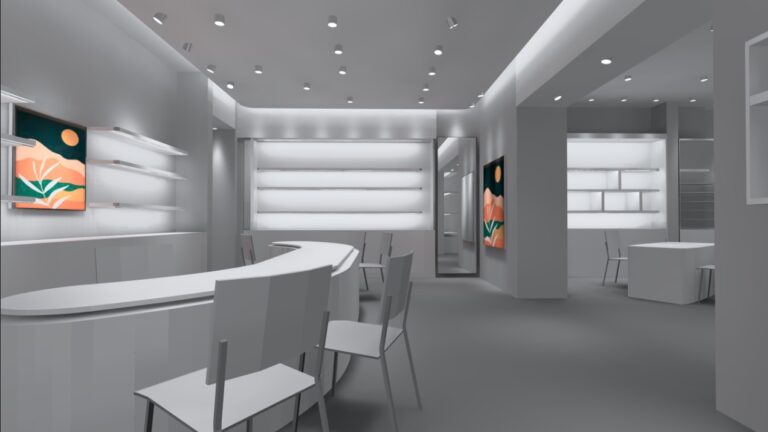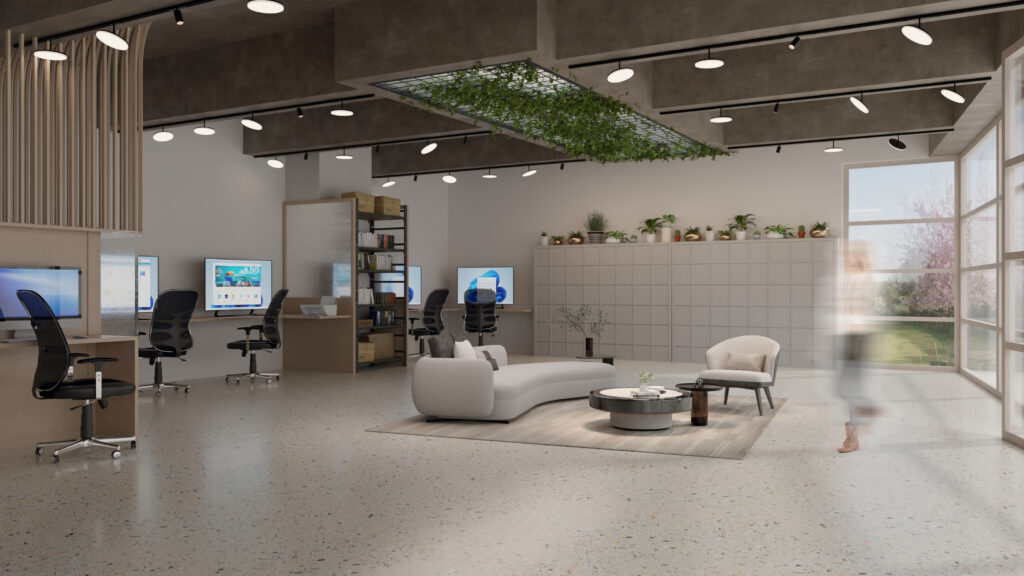
Why 3D Lighting & Animation Matter Today
In 2026, lighting in 3D rendering and animation is no longer a nice-to-have — it’s central to product marketing performance. Modern consumers expect hyper-realistic visuals, immersive previews, and compelling storytelling. Whether you’re selling electronics, furniture, fashion, or consumer goods, lighting and animation directly impact:
3D lighting makes products look real, tangible, and desirable. It turns browsers into buyers.
What Is 3D Rendering Lighting & Animation?
3D Rendering Lighting — The process of simulating light sources in a 3D environment to create realistic visuals.
3D Animation — The sequencing of rendered 3D models over time to show movement, context, or storytelling.
Together, they elevate product visuals to lifelike, immersive experiences.
The Difference: Static & Dynamic Lighting in Rendering
| Aspect | Static Lighting | Dynamic Lighting |
|---|---|---|
| Motion | No motion change | Real-time lighting changes |
| Interactivity | Passive | Interactive user control |
| Realism | High | Ultra high with animation |
| Use Case | Catalog Images | Product videos, AR previews |
Static lighting is great for product catalogs.
Dynamic lighting & animation is perfect for engagement, ads, and interactive previews.
3D Lighting & Animation: Year-by-Year Evolution
2023 |
2024 |
2025 |
2026 — The Year of Immersive Experience |
|---|---|---|---|
| Basic Global Illumination | Physically Based Rendering becomes standard | Motion-based storytelling | Real-time lighting engines |
| Simple studio lighting renders | Textured, realistic materials | Shoppable 3D animations | Interactive 3D viewers on product pages |
| Product visuals mostly 2D or flat renders | Early adoption of animation loops | AR previews become mainstream | Automated render pipelines for faster production |

2026 Visual Marketing Shift

The Future of Product Visualization: 3D Lighting & Animation in 2026
1️⃣ Higher Conversion Through Visual Precision
In 2026, 3D lighting and animation are no longer optional visual add-ons — they are strategic sales tools. High-quality lighting enhances realism, builds trust, and makes products feel tangible even in digital environments.
2️⃣ Better Product Understanding with 360° & Dynamic Lighting
Static images limit storytelling. Modern buyers expect immersive exploration. With 3D lighting and animated views, brands can deliver interactive product experiences.
3️⃣ Automated Render Pipelines & AI Optimization
Advanced rendering workflows in 2026 real-time rendering engines, and automated scene optimization.
4️⃣ Faster Time-to-Market in Competitive Industries
Speed is now a competitive advantage. With streamlined 3D lighting pipelines and animation workflows, brands can launch products faster than competitors relying on traditional photography.
✅ For a professional lighting and rendering studio, the real value lies in combining:
Cinematic lighting direction
Technical rendering expertise
Animation storytelling
Marketing-focused visual strategy
The future of product marketing belongs to brands that treat lighting not just as illumination — but as emotional influence
2026 Main Trends Shaping Architectural Lighting Marketing
In 2026, lighting marketing focuses on performance, realism, and immersive presentation — not just product visuals.
In 2026, lighting product marketing is centered around immersive digital experiences, faster execution, and performance-driven communication. Here are the key trends shaping the industry:
1. Real-Time Visualization
Customers expect instant interaction. Real-time lighting engines allow users to adjust brightness, beam angles, finishes, and environments directly on product pages.
2. Interactive 3D Product Viewers
Static images are being replaced with 360° product exploration, zoom features, material variations, and live lighting simulations for better buying decisions.
3. Motion-Led Storytelling
Short 3D animations clearly demonstrate beam spread, installation methods, and lighting effects — making technical products easier to understand.
4. Faster Render Pipelines
Streamlined production workflows reduce turnaround time, helping brands launch products faster and respond quickly to market demands.
5. Performance-Focused Content
Marketing now emphasizes measurable lighting performance — lux levels, beam control, glare reduction, and energy efficiency — not just product aesthetics.
Conculsion
FAQs
3D lighting simulates how real light interacts with surfaces, shadows, and textures within a virtual environment. It determines how colors, reflections, and details are perceived in a final render. Proper lighting can make products look premium and true-to-life. In product marketing, this enhances buyer trust and purchase confidence.
Animations allow customers to view products in motion, increasing clarity and engagement. This reduces hesitation by showing real-world behavior like rotation and functional details. They help visually communicate features that still images can’t. Studies show animated product visuals can significantly boost click-through and conversion rates.
Manufacturers are adopting 3D rendering because it reduces product photography costs, speeds up product launches, allows unlimited scene variations, and improves digital marketing performance.
While initial setup and software can be an investment, 3D rendering often reduces costs over time compared to traditional photoshoots. You avoid studio rentals, reshoots, and model costs. Iterations and variations are instant once assets are built. Many brands see ROI within a single campaign.
In many cases, yes. 3D rendering offers greater flexibility, faster revisions, and the ability to create multiple environments without physical setups. Many brands now use rendering for catalogs, websites, and advertisements.
- All
- 3D Lighting Product Rendering
- Architectural Lighting Design
- Lighting Design
- Lighting Design Services
Why Choose UGR < 19 Lighting for Commercial Retail Spaces?
The Role of Lighting in Architecture
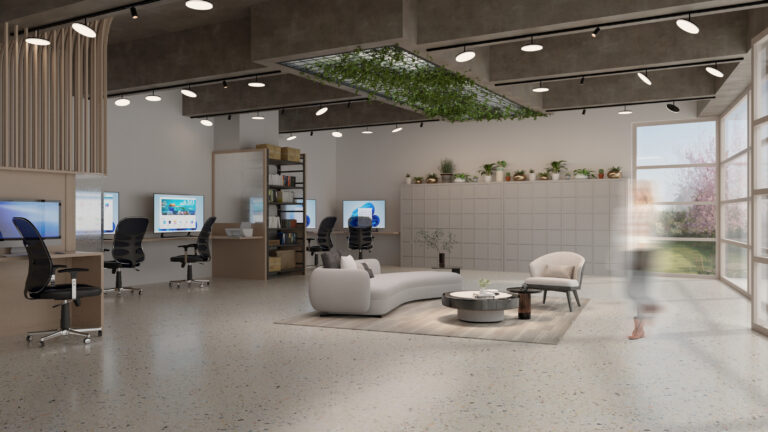
Lighting 3D Rendering & Animation Trends Shaping Product Marketing in 2026
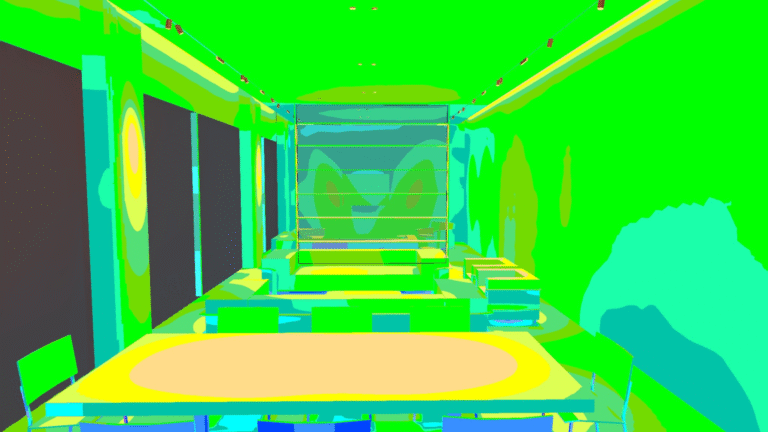
From Concept to Certainty: The Role of Lighting Simulation
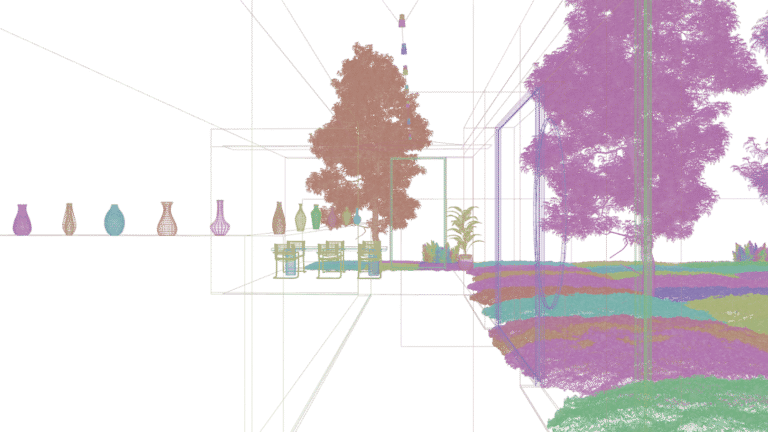
How Early Lighting Wireframes Reduce Design Revisions & Project Delays?